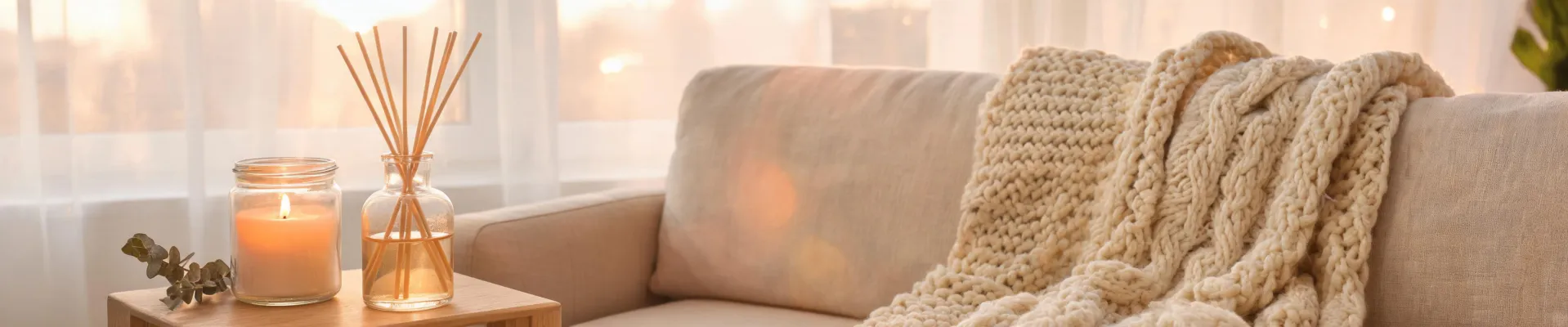
Picture this: you are standing in the candle aisle, one hand hovering over a sleek warmer plate and the other over a box of matches. The fragrance you like is right there, but you keep falling back on the same hesitation. You love the idea of a scented home, yet you do not want the open flame, the smoke, the constant reminder to blow it out before bed. That hesitation is not a small thing — it is the whole reason this comparison exists. So which one should win? The honest answer starts not with the hardware, but with what you actually want the candle to do for you. If you are shopping for a cozy scent that stays in the background while you cook, work, or sleep, you are asking one question. If you are shopping for the flicker, the ritual, the moment when the room goes amber, you are asking a different one. The mistake is assuming both questions have the same answer. That is the real fork in the road. The judgment that survives this comparison is simple: for the everyday desire to make a room smell good, a warmer is the better tool; the flame earns its place when the moment itself is the product.
A Warmer vs. a Match: The Real Question
In the candle aisle, you face a choice that seems simple: warmer plate or box of matches. The fragrance you love is right there, yet the same hesitation keeps returning — you want a scented home, but not the open flame, the smoke, or the bedtime reminder to blow it out. That hesitation is the reason this comparison exists. The real question is not which tool wins, but what you want the candle to do for you. If you are buying for a background scent that lingers while you cook, work, or sleep, you are asking one question. If you are buying for the flicker, the ritual, the amber glow, you are asking another. The mistake is assuming both questions have one answer. That is the fork in the road. The verdict that survives: for everyday fragrance, a warmer is the better tool; the flame earns its place when the moment itself is the product.
Here is where the brand context matters. Chesapeake Bay Candle does not just sell wax and wicks; it explicitly frames its products around mood and memory. Their own materials talk about fragrance for mind and body, about designed to spark memories and evoke moods, about creating the perfect ambiance. That language tells you something important: a candle is an experience, not just a chemical delivery system. And once you accept that, the warmer-versus-flame debate stops being a contest of specs and becomes a question of which experience you are after. If the ambiance is the point, the flame is part of the product. If the scent is the point, the warmer simply delivers the same engineered fragrance without the variables of fire and ash. So the first move is to stop asking which tool is superior and start asking which experience you are shopping for. That reframe does not settle the debate, but it makes the debate useful.
What Changes When You Heat Instead of Burn
Mechanically, the difference is simple. A burner heats the wax from below or above until it melts, and the warmth releases the fragrance oils into the air. No combustion happens. The wick stays dry, the wax pool slowly forms, and the scent builds gradually. A burning candle, by contrast, pulls liquid wax up the wick, where the flame vaporizes it. That process gives you the signature flicker and the gentle pop, but it also produces soot, smoke, and a hot zone you have to watch. Because the warmer never ignites anything, it changes the practical experience in ways that matter more than you might expect: there is no open flame near a curtain or a pet, no need to trim the wick, no black residue on the jar, and no timer in your head telling you to blow it out before you leave the room. The tradeoff is that you lose the fire. For some people that is a dealbreaker; for others it is the entire appeal.
Think about what that means on a normal Tuesday. You are moving between the stove, the laptop, and the couch, and you want the room to smell like the candle you love. With a flame, you have to place it somewhere it will not be knocked over, keep it in sight, and remember to extinguish it when you head out. With a warmer, you switch it on in the morning and it does its job until you switch it off. The scent is more consistent because there is no gust of air or draft changing the burn. The downside is subtle: the hot plate can get very warm, so you still want it out of reach of children and pets, and the fragrance may not fill a huge space as quickly as a strong flame. But for steady, low-maintenance scent, the mechanism clearly favors the warmer. That is not a small detail; it is the reason the comparison exists.
The Scent Test: What Long-Lasting Really Means
Now the question that actually influences your wallet: does warming a candle give you a better scent than burning it? To answer that, you need to know what you are paying for. A cheap candle can smell lovely for the first hour and then vanish. A well-made candle is designed to release its fragrance consistently for its whole life. That is not a marketing shrug; it is a design specification. When you see a brand talk about sustained fragrance, it is telling you that the perfume blend and the wax have been engineered to behave in a certain way. That matters here because a warmer changes how fast the wax gets used and how the scent is released. If the fragrance is engineered to last, a warmer lets you stretch that design over more hours and more days. That is why the scent test matters: it tells you whether the tool is wasting the product or honoring it.
Take Chesapeake Bay Candle as an example, because its official materials lean hard on this exact point. The brand describes its signature Spindrift Accord as an olfactive element exclusive to its line, scientifically designed to capture the uplifting essence of the bay. Then it promises consistent, enduring fragrance that delivers hours of mood-evoking scent. Read that closely and you realize the company treats fragrance endurance as a feature, not an accident. The wax is not just a carrier; it is part of the delivery system. That changes the decision for a warmer user. If scent longevity is built into the candle's chemistry, you do not need a flame to release it. A warmer melts the wax slowly, releasing the same blend over a longer period, which means you get more hours of the intended fragrance per ounce of wax. The brand's promise is not about fire; it is about the fragrance doing its job. So when you hear 'long-lasting,' hear 'designed for slow release' — and a warmer is a very compatible partner for that design.
The implication is uncomfortable for the 'flame purist' crowd but worth sitting with. If you buy a premium candle specifically for its scent, burning it as fast as possible is a strange way to enjoy that investment. Every hour of flame consumes a little more wax. A warmer, on the other hand, can release aroma from a single candle over many evenings without the wick ever shrinking. You are effectively getting more of the fragrance you paid for. That does not mean the flame is worthless — it means you need to decide whether you are paying for the wax or for the moment the flame creates. The scent test, in other words, is not about which method smells 'stronger' in the first five minutes. It is about which method better honors the work the perfumer and the wax designer put into the product. On that axis, the warmer often wins.
Which Should Win on a Normal Tuesday
Let's run the scenarios. It is a weekday evening. You are making dinner, answering a few emails, and half-watching a show. You want the apartment to smell like the sea-glass candle you bought, but you have no intention of babysitting a flame. Here the warmer is the clear choice. You can set it on a side table, turn it on, and forget it for hours. The scent stays steady, the room feels calm, and there is zero fire risk while you are distracted. If you have pets or kids, that safety margin is not a luxury; it is the whole point. The warmer also removes the 'when did I light it?' anxiety that makes some people avoid candles altogether. You also stop worrying about whether you left it burning while you run out. The warmer sits safely on a table, holding the wax at a steady melt, so you can step away without circling back to check the flame. That mental relief is part of the value. For everyday fragrance, this is the tool that turns a candle into a low-effort home appliance.
Now picture Friday night. You have people over, or you just want to unwind with a glass of something and a good book. The room looks better with a small flame dancing on a shelf. The flicker catches your eye, the wax pools in a way that feels alive, and the simple ritual of striking a match becomes part of the experience. Here the warmer cannot compete. It gives you scent, but it does not give you presence. If the visual warmth is part of the effect you are buying, then a burning candle is the right tool, even with the smoke and the need to watch it. The flame is not a flaw; it is the feature. This is the scenario where 'better' flips, and it flips because your definition of success changed. The crackle, the slow melt, the soft shadow on the wall — these are not side effects; they are the product. If that matters to you, no warmer can replace it.
The decision rule that falls out of these two scenes is simple: define your default. If your default is 'I want my home to smell good most of the time,' the warmer is your everyday tool. If your default is 'I want a moment,' the flame is your occasional tool. You do not have to choose forever — many people keep both, using the warmer on weekdays and lighting the same candle on weekends. The cheaper and more flexible move is to buy a high-quality candle that smells expensive, pair it with a warmer, and reserve the match for the evenings when you actually want the fire. That way you get the brand's engineered fragrance without burning through the wax on nights when you were not even in the room. In most setups, that hybrid beats picking a side.
The Verdict, With Boundaries
So after all the mechanism and brand context, here is the verdict. For daily, low-maintenance fragrance, a candle warmer is the better tool. It gives you consistent scent, fewer safety worries, and more value from the wax you bought. But burning candles win when the ritual, the flame, and the visible ambiance are part of the experience. That is not a wishy-washy 'it depends'; it is a specific conditional judgment you can use. The case for the warmer is strongest on a Tuesday, when you want the room to smell good while you live your life. The case for the flame is strongest on a Friday, when the candle is the entertainment. Both answers are true because they answer different questions.
The boundary is important. A warmer is not a replacement for the flame; it is a different experience that uses the same wax. If you love the act of lighting a candle, no warmer will satisfy that. And if you hate managing flames, no candle's beauty will make up for the worry. The non-obvious move is to stop treating this as an either/or. Pair a warmer with a premium candle that advertises enduring fragrance — like Chesapeake Bay Candle's line with its Spindrift Accord — and let the flame be an occasional guest rather than the default. That gives you the brand's engineered scent for daily use and the fire for the nights when you want a little theater. The warmth stays, the wick stays dry, and the room smells like the bay whenever you decide to turn it on.
The boundary is important. A warmer is not a flame replacement; it is a different experience that happens to use the same wax. If you love the act of lighting a candle, no warmer will satisfy that. And if you hate managing flames, no candle's beauty will make up for the worry. The non-obvious move is to stop treating this as an either/or. Pair a warmer with a premium candle that advertises long-lasting fragrance — like Chesapeake Bay Candle's line with its Spindrift Accord — and let the flame be an occasional guest rather than the default. That gives you the brand's engineered scent for daily use and the fire for the nights when you want a little theater. The warmth stays, the wick stays dry, and the room smells like the bay whenever you decide to turn it on.

Jane Smith
I’m Jane Smith, a senior content writer with over 15 years of experience in the packaging and printing industry. I specialize in writing about the latest trends, technologies, and best practices in packaging design, sustainability, and printing techniques. My goal is to help businesses understand complex printing processes and design solutions that enhance both product packaging and brand visibility.
More notes
Latest fragrance journal posts
Rain Bird TM2-6 6-Station Indoor/Outdoor Controller: A Practical Verdict
Rain Bird TM2-6 6-station controller review: zone limits, indoor/outdoor truth, traditional vs smart, and dark display troubleshooting.
Rain Bird Plastic Drip Irrigation Emitter Tubing: Choose the Right Type
Choosing between Rain Bird blank tubing and pre-assembled emitter tubing depends on pressure rating, wall thickness, and installation ease, not brand loyalty.
Le Creuset 10-Piece Stainless Steel Set: A Framework for Your Kitchen
Deciding between Le Creuset's 10-piece stainless steel set and buying individual pans? This framework matches the set to your cooking style and induction stove.
Le Creuset Signature Round Dutch Oven Reviews: Weight, Induction, and When to Buy
Read our Le Creuset Signature Round Dutch Oven reviews to learn induction compatibility checks, decode weight complaints, and time your purchase with the pie dish promo.
Le Creuset 10-Piece Stainless Steel Cookware Set: An Honest Verdict
A direct verdict on the Le Creuset 10-piece stainless steel set: who should buy it, why induction compatibility matters, and when to skip it.
Le Creuset Signature Round Dutch Oven: A Field Guide for Induction Kitchens
Does the Le Creuset Signature Round Dutch Oven live up to its price? Learn about induction compatibility, size choice, and why its long history makes it a lasting choice.
Calphalon Premier 12-Piece Space Saving Cookware: The Verdict on Nesting Design
Calphalon Premier 12-piece cookware promises full coverage in one pot's footprint. Verdict: it earns the space-saving label for storage-focused buyers.
Calphalon Premier Space Saving 10-Piece Cookware: The Stacked-Pan Verdict
Our verdict on Calphalon's Premier Space Saving 10-Pc. nonstick set: a smart buy for small kitchens needing stackable cookware, not for those needing heavy or deep pots.
The Best Votive Candle Holders for a Wedding Reception
Best votive candle holders for a wedding reception balance heat-safe glass, a stable base, and a scent that lasts the whole evening.
Candle Warmers vs. Burning Candles: A Decision Framework for Your Home
Candle warmers offer safety and longevity, but burning candles deliver ambiance. Here's how to choose based on your priorities.